Rust Concerns Grow Around Chinese EVs as MG and BYD Face Corrosion Complaints

 React
React

Chinese electric vehicle brands expanding rapidly across Europe are now facing growing scrutiny over reported rust and corrosion issues affecting several popular models.
Automakers including MG and BYD, both of which have gained significant market share with competitively priced EVs, are seeing increasing complaints from owners who claim corrosion is appearing on relatively new vehicles.
The controversy highlights a growing challenge for emerging EV manufacturers: proving long-term durability as they scale globally.
MG Models Reportedly Showing Early Signs of Corrosion
According to customer reports across Europe, corrosion-related complaints have been especially common in models such as the MG ZS EV, MG4, and MG5.
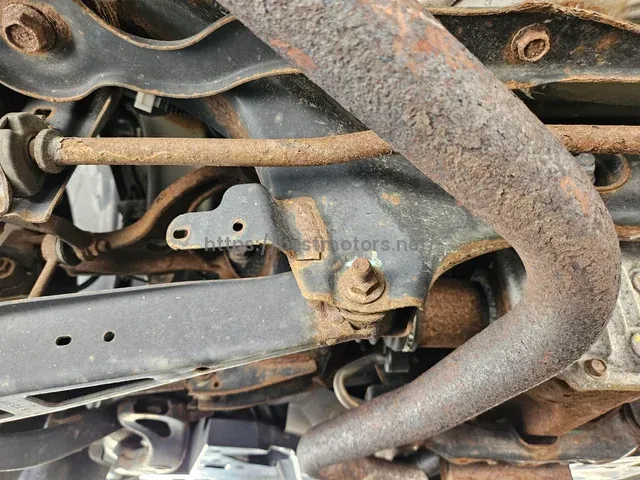
Owners say rust has appeared in vulnerable areas including underbody sections, weld points, door sills, suspension mounts, and structural chassis components.
The issue appears to be more noticeable in countries such as the United Kingdom and Germany, where road salt and high humidity levels create harsher conditions for vehicle bodies during winter months.
Some drivers claim corrosion became visible after only a few months of ownership or at relatively low mileage.
Reports shared online mention rust around jack points, subframe welds, wheel arches, and suspension attachment areas. Several MG4 owners also say they discovered standing water and rust buildup beneath plastic covers under the hood.
MG’s 7-Year Warranty Faces Criticism
One of the biggest frustrations among customers reportedly involves MG’s heavily marketed seven-year corrosion warranty.
Vehicle owners argue that the warranty does not cover many of the corrosion cases being reported because the policy primarily applies to perforation rust — meaning the metal body panel must be completely rusted through before warranty protection becomes valid.
Under MG’s warranty terms, surface rust and early-stage corrosion may not qualify for repair coverage.
Critics say this distinction leaves many customers responsible for addressing visible rust problems themselves, despite the vehicles still being relatively new.
BYD Also Faces Corrosion Complaints
Similar concerns have emerged around BYD vehicles, particularly the Atto 3 SUV in markets such as Australia and New Zealand.
Investigations into some cases reportedly suggest that insufficient surface preparation and anti-corrosion treatment during manufacturing may have contributed to rust formation in certain production batches.
Unlike MG, however, BYD has reportedly handled many complaints through warranty-backed repainting and repair work in an effort to maintain customer satisfaction.
The company states that its vehicles use electro-galvanized steel body panels and corrosion protection processes designed to meet international manufacturing standards.
BYD also claims most customer complaints have been resolved quickly under warranty programs.
Durability Becoming a Critical Test for Chinese EV Brands
The situation reflects a broader challenge facing fast-growing Chinese automakers entering Western markets.
While brands like MG and BYD have attracted buyers with aggressive pricing, modern technology, and long feature lists, long-term durability remains one of the most important factors in building trust among consumers.
Industry analysts note that corrosion problems are not unique to Chinese vehicles and can affect manufacturers from any country. However, early quality-control concerns can have an outsized impact on younger automotive brands still establishing their reputations internationally.
As competition intensifies in the global EV market, reliability and build quality may ultimately become just as important as affordability and innovation.
Why Corrosion Issues Matter in the EV Industry
For electric vehicles, corrosion can create additional concerns beyond cosmetic damage. Rust affecting battery enclosures, structural mounting points, or suspension systems may eventually impact vehicle safety and long-term ownership costs.
Experts say automakers expanding into colder climates must ensure corrosion protection systems are properly adapted for regional environmental conditions, especially in countries where roads are heavily treated with salt during winter.
For rapidly growing EV brands, maintaining quality standards at scale could determine whether they become long-term global players or struggle to retain customer confidence.