California Will Soon Allow Police to Ticket Driverless Taxis Like Waymo Vehicles

 React
React

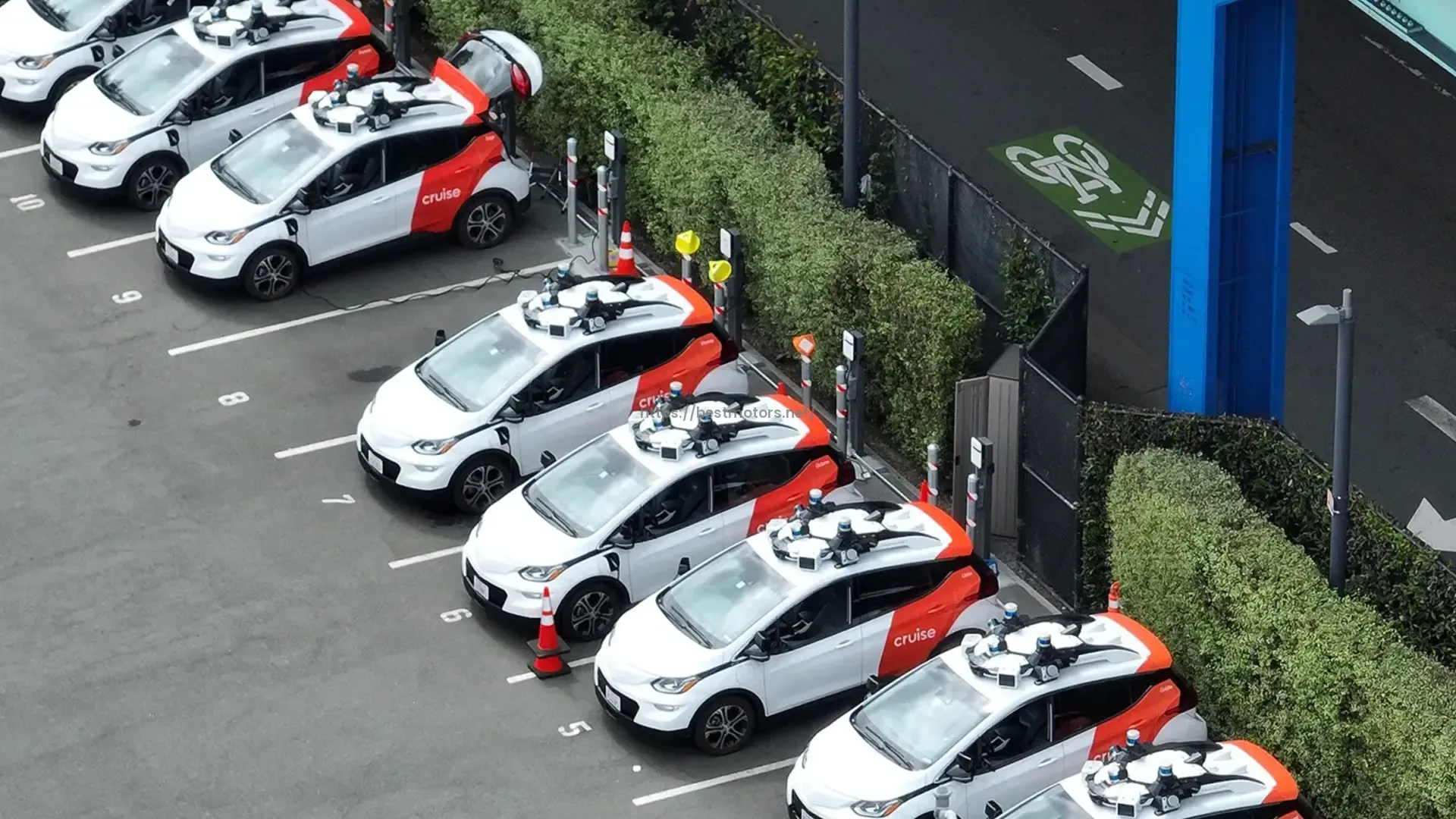
California is introducing new regulations that will allow police officers to directly penalize autonomous vehicle companies such as Waymo when their driverless vehicles violate traffic laws.
The move marks one of the most significant regulatory shifts yet for the robotaxi industry and aims to eliminate a long-standing legal gray area surrounding accountability in fully autonomous vehicles.
The new rules, approved by the California Department of Motor Vehicles (DMV), are scheduled to take effect on July 1.
California Targets the “No Driver” Legal Loophole
Until now, law enforcement officers faced major difficulties when stopping autonomous vehicles involved in traffic violations because there was no human driver physically present to cite.
The updated regulations change that by placing responsibility directly on the companies operating the vehicles rather than on an individual occupant.
Under the new framework, police officers will be able to issue formal “notices of noncompliance” to robotaxi operators whenever autonomous vehicles break traffic rules.
Following a report, the California DMV can launch an official investigation into the company’s operations and safety practices.
DMV Receives Expanded Enforcement Powers
According to state officials, the DMV will gain broad authority to intervene if autonomous vehicle companies fail to address recurring safety or operational issues.
The agency will be able to limit operating permits, suspend services, or even revoke approval entirely in severe cases.
The regulations extend far beyond traditional traffic enforcement. California officials will also have the authority to determine:
- Where autonomous vehicle fleets can operate
- Which speed limits they must follow
- What conditions are required for continued service approval
The rules effectively tie the future expansion of robotaxi services directly to safety performance and regulatory compliance.
Emergency Vehicle Interference Becomes a Key Focus
One of the biggest concerns surrounding autonomous vehicles has been their behavior around emergency situations involving ambulances, police vehicles, and fire trucks.
While robotaxis rely on sensors, mapping systems, and AI-driven decision-making software to navigate roads, emergency scenarios remain one of the most difficult challenges for autonomous systems.
California’s updated rules will require companies to establish direct communication protocols with local emergency responders.
In addition, driverless vehicles must now be capable of clearing emergency zones within two minutes after receiving instructions from authorities.
The state says the measure is designed to prevent autonomous vehicles from blocking emergency crews attempting to reach active incidents.
Tougher Testing Standards for Autonomous Vehicles
The DMV is also tightening testing requirements for autonomous vehicle companies operating in California.
Under the revised system, robotaxi operators will face stricter oversight during both public testing and commercial deployment phases.
Waymo, which currently operates one of the largest robotaxi fleets in the United States, confirmed that it is reviewing the new regulations but declined to provide detailed comments.
Why the New California Rules Matter
California has become one of the most important testing grounds for autonomous vehicle technology, making the state’s regulatory decisions highly influential across the broader automotive industry.
The new framework signals a growing shift toward holding autonomous driving companies directly accountable for how their AI systems behave in real-world traffic conditions.
As robotaxi adoption expands in major U.S. cities, regulators are increasingly focused on balancing innovation with public safety and operational transparency.
Industry experts believe similar rules could eventually spread to other states as autonomous transportation becomes more common.